
How Unstable Workforce Systems Drive High Turnover and What to Do About It
- Human Capital Solutions

- May 14
- 4 min read
High employee turnover is often blamed on external factors such as the labor market, employee attitudes, or a shortage of talent. While these elements can influence retention, many organizations overlook a critical internal cause: unstable workforce systems. When the structures that support hiring, onboarding, and role alignment are weak or inconsistent, turnover becomes a symptom of deeper operational issues.
This post explores how unstable workforce systems contribute to high turnover rates, the hidden costs they impose, and practical steps organizations can take to build stability that supports long-term retention.
Why Workforce Systems Matter More Than You Think
Many companies react to turnover by focusing on the symptoms rather than the root causes. They may increase salaries, offer perks, or conduct exit interviews, but these efforts often fail to address the underlying system weaknesses that push employees away.
Unstable workforce systems create an environment where employees struggle to find clarity in their roles, receive inconsistent support, and face unpredictable operational changes. This instability leads to frustration, disengagement, and eventually, turnover.
Key workforce system issues include:
Poor role alignment: Employees are hired without a clear understanding of how their skills and responsibilities fit the organization's needs.
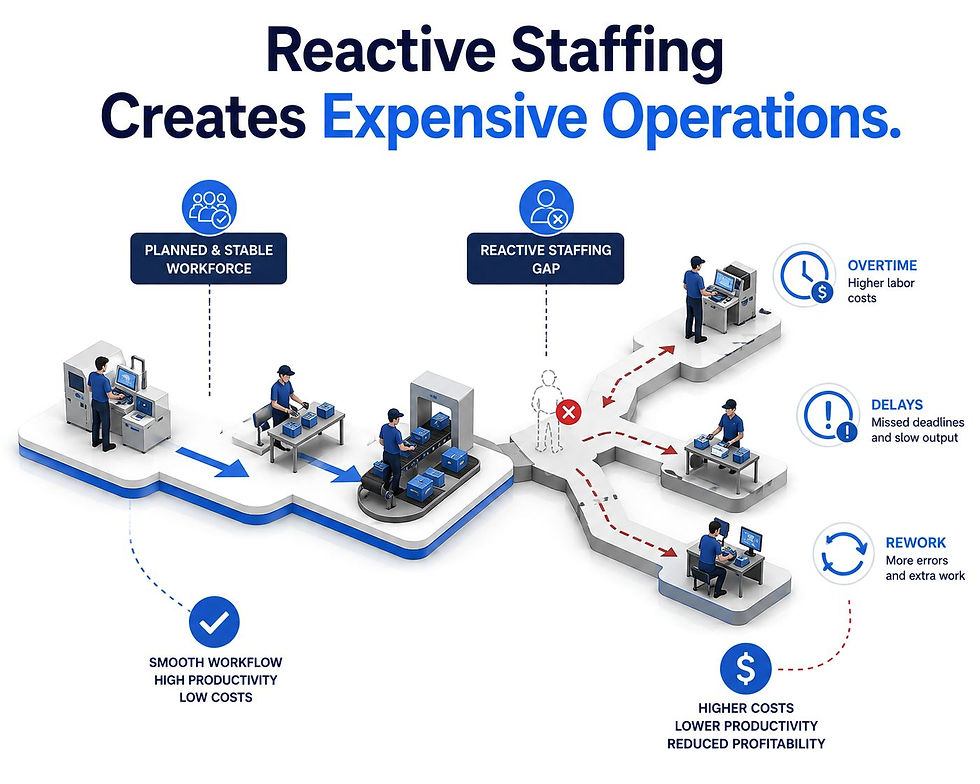
Reactive hiring: Recruitment happens in response to immediate vacancies rather than through strategic workforce planning.
Weak onboarding: New hires receive insufficient training and support, leaving them unprepared and disconnected.
Inconsistent operational structure: Lack of clear processes and communication creates confusion and inefficiency.
Each of these factors contributes to an unstable work environment that drives employees to seek more predictable and supportive workplaces.
The Hidden Costs of High Turnover
Turnover is more than just a number on an HR report. It has tangible impacts on an organization's bottom line and operational health.
Increased labor costs: Recruiting, hiring, and training new employees require significant time and money. Estimates suggest replacing an employee can cost 20% to 150% of their annual salary depending on the role.
Lost productivity: New hires take time to reach full productivity. Meanwhile, remaining staff may face increased workloads and stress.
Weakened team cohesion: Constant change disrupts team dynamics and reduces collaboration.
Operational instability: Frequent turnover forces organizations into continuous rehiring cycles, making it difficult to maintain consistent service or product quality.
These costs accumulate over time, reducing competitiveness and growth potential.

How to Build Stable Workforce Systems That Reduce Turnover
Addressing turnover requires more than quick fixes. Organizations must strengthen the systems that support their workforce. Here are practical strategies to create stability and improve retention:
1. Align Roles with Organizational Needs
Start by clearly defining each role’s purpose, responsibilities, and required skills. Use data and input from managers and employees to ensure roles match actual business needs.
Conduct job analysis to identify key tasks and competencies.
Update job descriptions regularly to reflect evolving requirements.
Match candidates’ skills and career goals with role expectations.
Clear role alignment helps employees understand their value and fit within the organization, increasing engagement and reducing turnover.
2. Implement Strategic Workforce Planning
Instead of hiring reactively, plan ahead based on business goals and workforce trends.
Analyze current workforce capabilities and forecast future needs.
Identify potential skill gaps and succession plans.
Develop hiring timelines aligned with business cycles.
Strategic planning reduces last-minute hiring pressures and ensures the right people are in place when needed.
3. Strengthen Onboarding Processes
Effective onboarding sets the tone for employee success and retention.
Provide structured training that covers job skills, company culture, and expectations.
Assign mentors or buddies to support new hires.
Check in regularly during the first 90 days to address challenges.
A strong onboarding experience helps employees feel welcomed, prepared, and connected.
4. Create Consistent Operational Structures
Establish clear processes and communication channels to reduce confusion and inefficiency.
Standardize workflows and document procedures.
Use regular team meetings to share updates and align goals.
Encourage feedback loops to identify and resolve issues quickly.
Consistency in operations builds trust and confidence among employees.
Real-World Example: How One Company Reduced Turnover by Stabilizing Systems
A mid-sized manufacturing firm faced a turnover rate of 30% annually, leading to high costs and production delays. They discovered their hiring was mostly reactive, and new employees lacked proper onboarding.
By partnering with workforce consultants, they:
Conducted a workforce analysis to align roles with production needs.
Developed a hiring calendar based on forecasted demand.
Created a comprehensive onboarding program including hands-on training and mentorship.
Standardized daily operational procedures and communication routines.
Within a year, turnover dropped to 12%, labor costs decreased, and productivity improved. Employees reported higher job satisfaction and clearer expectations.
The Role of Workforce Consultants in Building Stability
Organizations often lack the internal resources or expertise to diagnose and fix unstable workforce systems. Workforce consultants bring an outside perspective and proven methods to:
Assess current workforce structures and identify weaknesses.
Design tailored staffing alignment and workforce planning strategies.
Develop structured hiring and onboarding processes.
Support implementation and measure results.
Working with experts helps organizations build systems that support sustainable retention and operational continuity.
Building stable workforce systems is essential to reducing turnover and its costly consequences. By focusing on role alignment, strategic planning, onboarding, and consistent operations, organizations create environments where employees can thrive and stay longer.


Comments